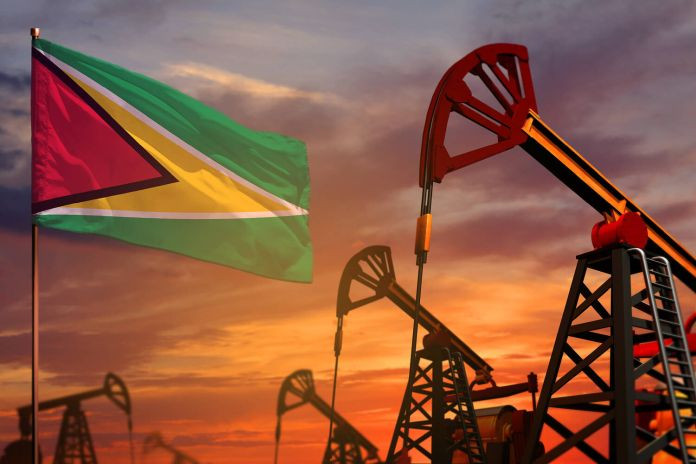
Guyana has a problem most countries would love to have.
Money is arriving faster than the economy is prepared to absorb it.
Between January and June 2026, Guyana deposited just under US$2 billion into its Natural Resource Fund, driven largely by profit-oil payments from the Stabroek Block.
Oil production has now surpassed 900,000 barrels per day across four FPSO vessels, with another project expected before the end of the year. The first-half deposits already represent about 71% of the government’s full-year revenue projection.
The easy assumption is that the biggest winners will be oil companies.
History suggests otherwise.
When resource wealth enters an economy, the opportunity spreads outward. New workers need housing. Companies need transportation. Businesses need professional services. Governments need suppliers capable of delivering large projects.
That is where the next wave of Caribbean businesses could emerge.
Guyana’s challenge is turning oil revenue into a broader business ecosystem instead of an economy dependent on one industry.
That requires local companies ready to provide the services supporting a country growing at remarkable speed.
The next chapter of Guyana’s oil story will not only be measured by how many barrels leave the ground.
It will be measured by how many businesses grow because of them.
Founder Take: Caribbean founders should watch Guyana’s expanding economy closely and look for opportunities forming around infrastructure, services, and supply chains.

Stephen Stanberry